

Latest Articles

Finding the Way Home to the Body
Karishma Sharma
September 1, 2024
Intuitives must engage with and deepen into the body’s knowing, enter into conversation with the body and be open to its revelations. Coming into relationship with the body has opened channels to the depths of my being, making me conscious of the guidance within, informing me of my innermost needs, and allowing me to accept the paradoxes of the inner world.
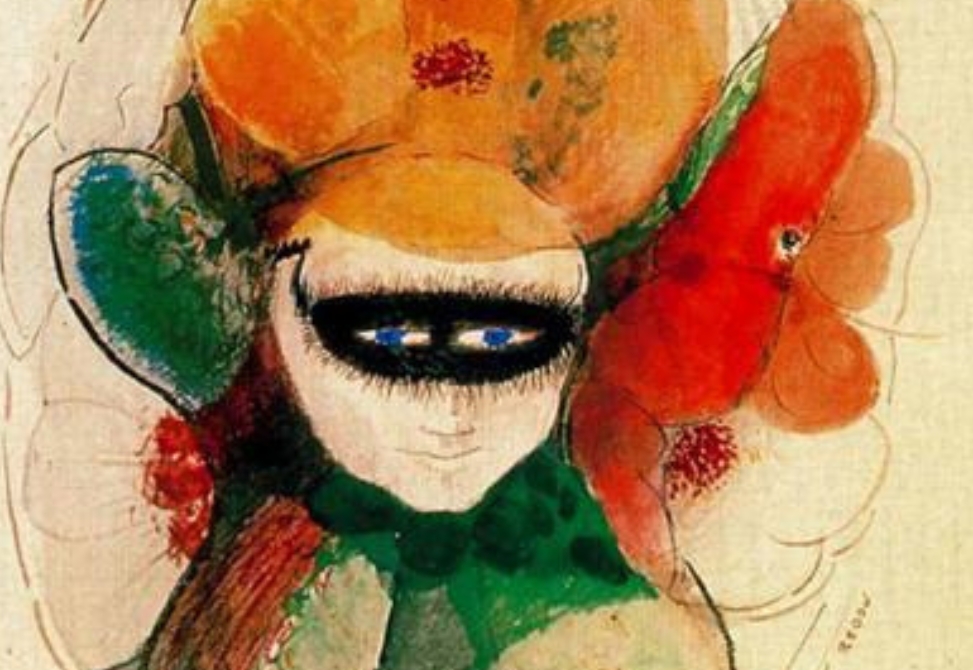
Trading the American Dream for Real Life
Sofia Taboada
June 11, 2024
The competent, professional, independent persona that I had painstakingly crafted over my entire adolescence and adulthood was taken from me. The woman who had climbed the ranks to become a successful executive at the pinnacle of the corporate world, with her glamorous jet-setting lifestyle, was gone. I had experienced an enormous personal defeat and, having no recourse left, I realized I had reached rock bottom.
The Rhetoric of Paranoia in an ESTJ Culture
Erika Raney
March 6, 2024
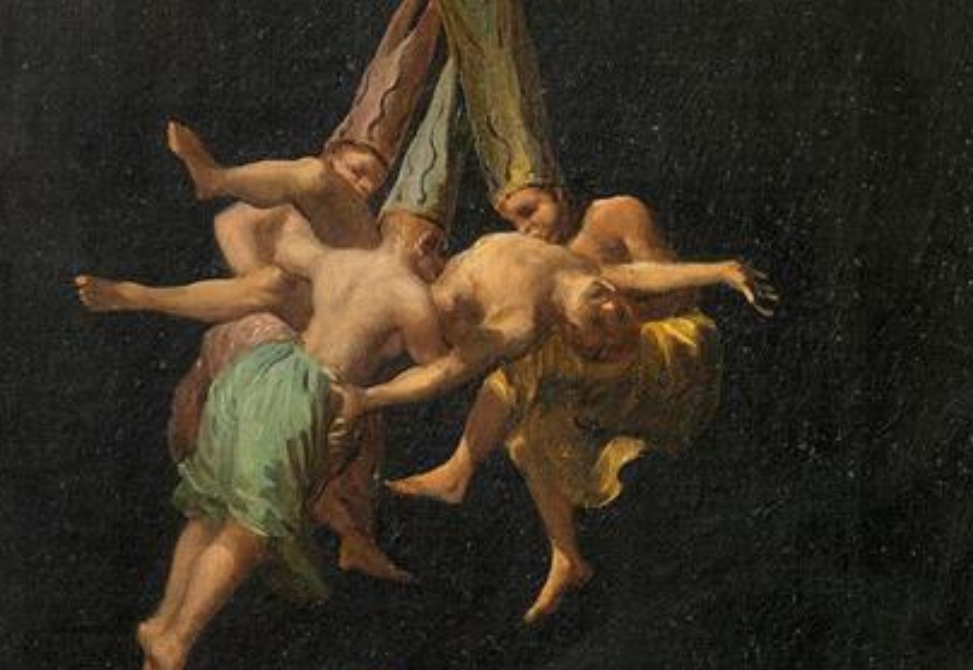
In this patriarchal and heavily capitalistic culture that privileges the thinking functions, feeling seems to dominate the unconscious collective psyche. In the rise of cults of personality in their contemporary manifestation, the inflated extraverted thinking function establishes a goal; then anything that does not adhere to that universal aim is excised. In this crusade-like paradigm, connection to the genuine feelings and needs of a diverse community is lost as unhealthy extraverted thinking tightens its grip on power.
From the Archives

Death by Thesis
Carol Shumate
April 4, 2018
To have to spend a year in one’s inferior function is like a yearlong time-out for a toddler. I got so bored and desperate with my inferior introverted sensing (Si) function, required to gather and document the data, that I spent many hours asleep in the library. I could have asked Dr. Goldsmith for help, or maybe a mercy killing, but I was too proud to admit difficulty.
A Tympanum in a Time of COVID
Vicky Jo Varner
April 25, 2021
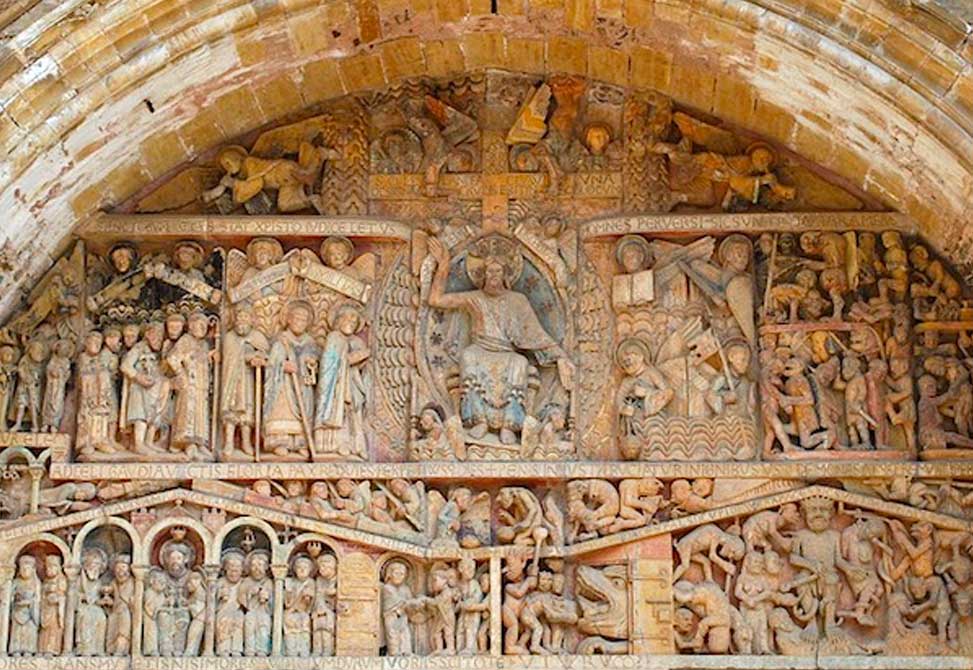
We harken back to the Conques tympanum’s division of cosmos and chaos as Jung thereby affirmed the value in engaging with all four functions so as to address our human challenges and set matters in order. Just as Christ was the arbiter of human souls on the Conques tympanum, we may engage our inner self to negotiate the chaos within our own psyche.
Ambiversion: Ideal or Myth?
Carol Shumate
July 1, 2015
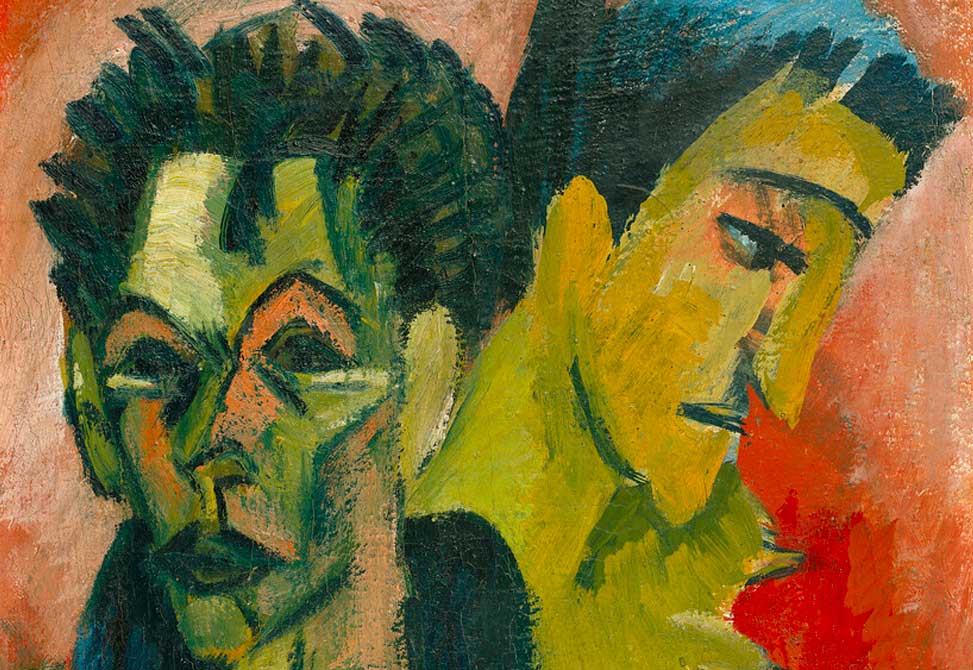
“Ambiversion” —the equal development of extraversion and introversion in an individual— has become a popular notion of late but it has led to some misinterpretations of Jung’s typology, specifically, to an idealization of this in-between state…

Typing the Group Mind – Part II
John Beebe
May 2, 2011
You can assert yourself … with an introverted function. You can take care of others … with an introverted function. You’re just not likely to do both these things with an introverted function, any more than one would do both with an extraverted function; our alternation of attitudes between the dominant and auxiliary takes care of that.
Dream Tending
Teresa Nowak
January 10, 2018
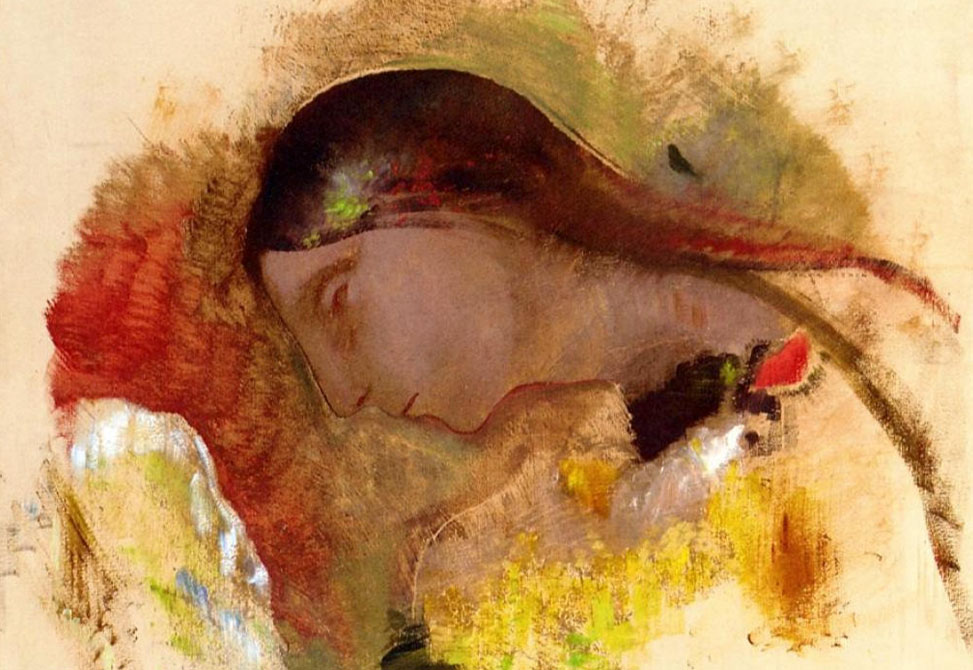
“Interpretations” of dreams must be filtered through a layer of consciousness. One contribution of dream tending as an effective tool for Jungian dream work is the value it places on the sensing function as an imaginal way of knowing. Thus, it de-emphasizes the intuitive and thinking functions many Jungians use in traditional dream analysis and brings sensing and feeling to the fore.
Out of Our Depth: Editors’ Corner
Christopher Ross
July 3, 2019
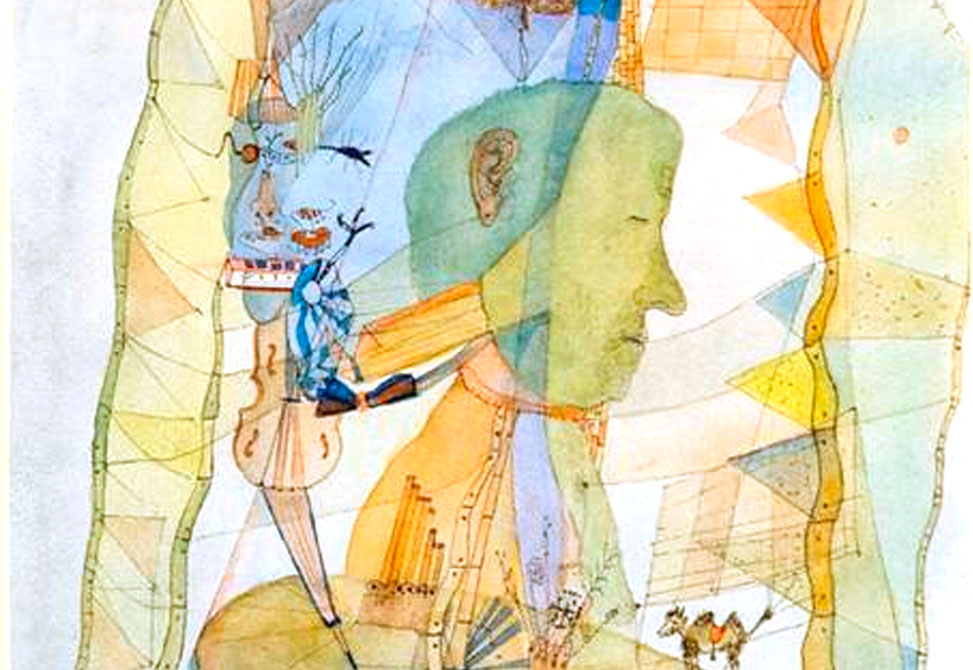
Later, I reflected that my tone, out of awareness at time of utterance, was the element to which she was reacting as a feeling type, and that my insistence on staying on topic showed up in her experience as my controlling her. Such was my first conscious application of Beebe’s sobering formulation of the monster-in-play when our eighth function breathes fire at another’s dominant function.
Heaven, Earth, and Underworld
Mark Hunziker
April 6, 2016
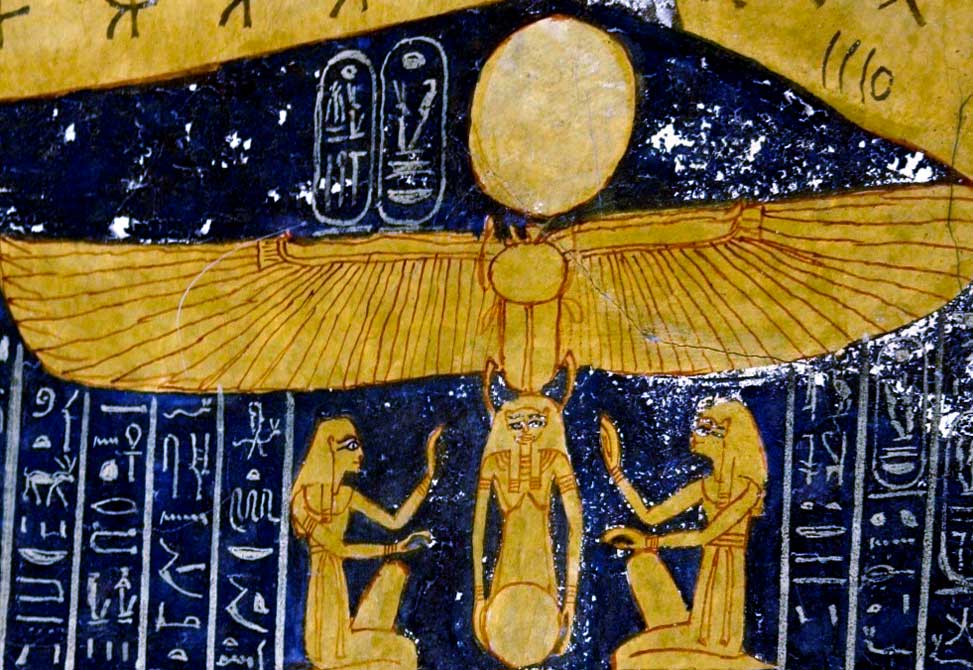
Within the function-attitude preference hierarchy for each type, there are three natural groupings which seem to reflect a “Me, Spirit, and Other” delineation and describe our areas of “strength, vulnerability and creativity, and defense,” respectively. Is it more than a coincidence that this configuration has parallels in most traditional world views, as “Earth, Heaven, and Underworld?”
Resurrecting the Feeling Function
Jane Shaw
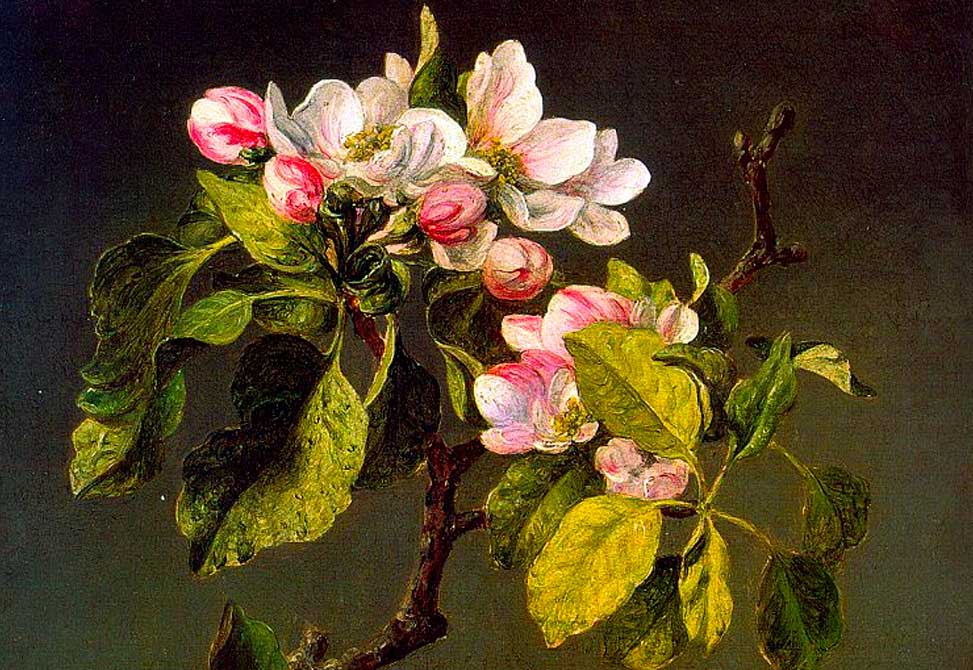
January 4, 2017
My Feeling is definitely not a matter of determining whether simply I like or dislike something, as Hillman suggested an undifferentiated Feeling function might do. For example, I feel a hundred different aspects of a rose—smell, vibration, gentleness, tone, harmony, et cetera, and all of these come into play when I evaluate its suitability for a certain spot in the garden.